November 14, 2026
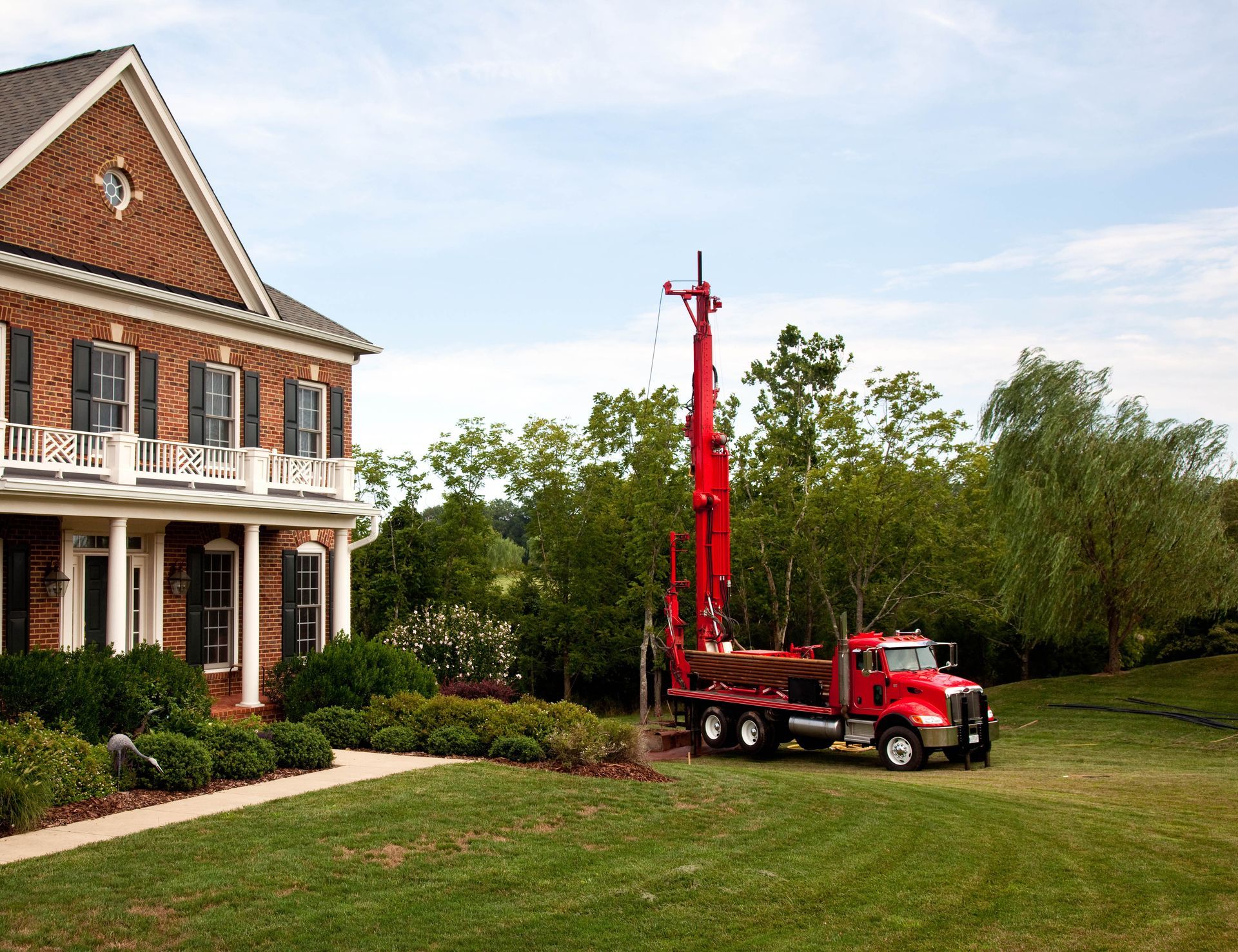
Planning a private water supply brings incredible independence, fresh hydration, and long-term comfort to any property. Taking smart, proactive steps before scheduling professional water well drilling sets your entire homestead up for decades of trouble-free operation. Setting the stage properly from day one creates a remarkably reliable household water system.
Surveying the Land for Optimal Site Placement
Finding the absolute sweetest spot on your property represents the most critical first move for your upcoming project. Underground water veins shift across diverse geological layers, making careful land assessment essential before anyone breaks surface ground. Professionals examine surface topography, natural drainage channels, and historical groundwater records to pinpoint clean, productive aquifers. Setting up on higher ground prevents dirty seasonal surface runoff from pooling around your future sanitary wellhead during severe spring downpours.
Proper clearance distances away from existing homestead features protect groundwater quality for generations to come. Septic tanks, drain fields, livestock enclosures, and chemical storage sheds require generous isolation buffers from private water sources. Reviewing property boundaries and underground electrical conduits prevents nasty surprises during heavy excavation work. Incorporating professional water well drilling into a comprehensive land development blueprint keeps your clean groundwater completely isolated from common backyard environmental hazards over many decades of continuous family use.
Accessibility for future service vehicles plays an equally huge role in long-term site convenience and system health. Heavy pump trucks and service rigs will eventually need straightforward physical access to the wellhead for routine checkups. Tucking a well into a tight, densely wooded hollow or right behind a paved patio creates major headaches later on. Leaving an unobstructed access corridor allows technicians to pull pumps, flush screens, and handle standard mechanical tune-ups smoothly whenever necessary.
Analyzing the Chemistry of Local Underground Formations
Every underground water basin features its own unique blend of dissolved minerals, dissolved gases, and natural sediments. Some regions feature deep limestone beds that yield hard water, while other areas run through granite or sandstone layers containing trace iron. Collecting geological survey reports gives you a clear snapshot of underground conditions before boring holes into rock. Knowing the exact mineral makeup of local aquifers helps specialists select durable casing alloys that resist aggressive corrosion.
Underground water-bearing layers also influence the choice of specialized filtration screens installed deep below the surface. Fine sandy aquifers require precision slotted screens wrapped in clean gravel packs to block grit from entering the casing pipe. According to HomeGuide, with the correct maintenance, a professionally installed water well can last for 30 to 50 years, though individual parts may need to be replaced. Stopping gritty abrasive sand at the aquifer level prevents premature wear on expensive submersible pumps and household plumbing fixtures.
Understanding baseline mineral concentrations allows property planners to map out indoor treatment systems long before water flows through kitchen faucets. Highly acidic water or heavy calcium concentrations can steadily degrade copper pipes and water heaters if left untreated. Choosing complementary filtration units ahead of time keeps your whole plumbing infrastructure running at peak condition from the very first glass poured. Smart chemical analysis takes the guesswork out of building a dependable, crystal-clear water supply.
Sizing the Equipment for Expected Daily Demand
Accurately estimating household water usage prevents mechanical components from burning out prematurely due to constant overwork. A bustling family home with multiple bathrooms, extensive garden irrigation, and laundry appliances requires a totally different flow capacity than a quiet weekend cabin. Calculating peak morning water demand helps designers balance pump capacity with recovery rates in the ground. Pushing a mechanical pump past its recommended capacity rating drastically cuts its operational life and wastes electricity.
Matching pump horsepower to actual casing diameter and depth produces smooth, balanced water pressure throughout the entire home. Undersized submersible units struggle to lift deep water columns, while oversized pumps short-cycle rapidly, clicking on and off constantly. Integrating modern water well drilling protocols with carefully balanced mechanical sizing creates a smooth pumping cycle that preserves internal electrical motor windings. Well-calibrated equipment runs cool, draws minimal electrical current, and delivers steady, reliable water volume to every household faucet.
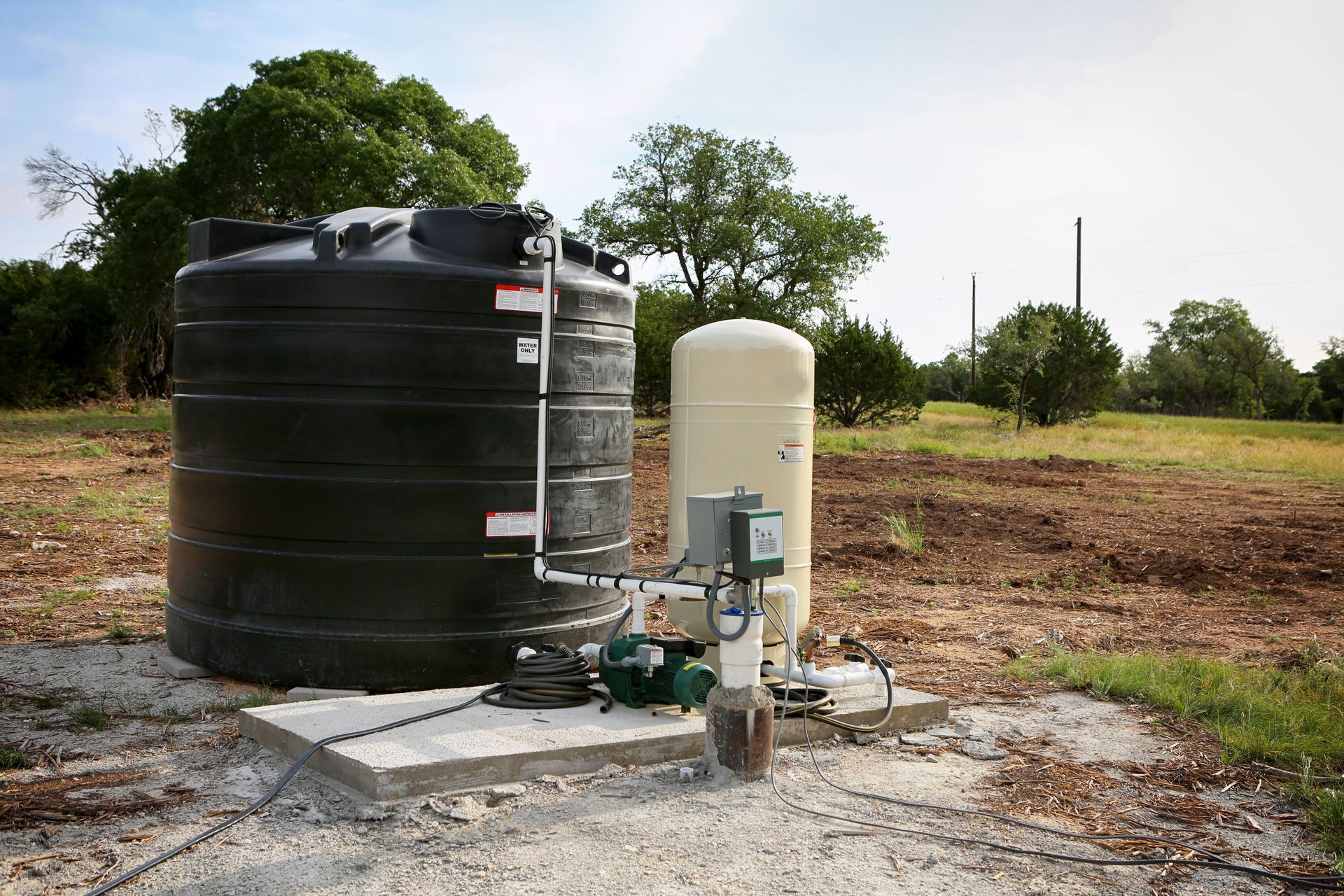
Pressure storage tanks also require careful volumetric sizing to give mechanical pumps necessary resting periods between water demands. A properly proportioned diaphragm pressure tank holds a substantial volume of pressurized water ready for quick hand-washing tasks. This buffer prevents the main pump motor from starting every single time someone flushes a toilet or rinses an apple. Reducing repetitive electrical starts remains one of the most effective ways to extend the working life of downhole equipment.
Establishing the Barriers for Maximum Surface Protection
Shielding the borehole from surface contamination begins with heavy-duty structural steel or impact-resistant thermoplastic casing materials. High-grade casing pipes act as a continuous armor shielding your drinking water from muddy topsoil, insects, and shallow seepage. Extending the casing sleeve well above the final landscape grade keeps lawnmowers, mulch, and stormwater washouts safely away from your water intake. Strong physical barriers form the primary line of defense against outside contamination through every passing season.
The annular space between the exterior drilled borehole wall and the casing pipe requires a solid protective seal. Specialists inject thick slurry or neat cement grout from the base upward to close off potential pathways for surface water. Practicing precise water well drilling standards during this foundational phase prevents contaminated surface water from trickling down the outside of the casing pipe into pristine aquifers. A solid grout barrier also locks the casing securely into surrounding bedrock, preventing structural shifting.
Topping off the casing with a certified vermin-proof sanitary seal completes this multi-layered environmental protection shield. Heavy rubber gaskets and screened air vents prevent spiders, ants, mice, and airborne debris from falling into the well chamber. Standard venting allows the water column to breathe freely during heavy drawdown without creating an open doorway for garden pests. Keeping the interior borehole pristine and sterile preserves downhole components and maintains crisp, refreshing water quality.
Mapping the Schedules for Routine Preventative Care
Treating your private water installation like a fine motor vehicle means scheduling regular professional checkups across its entire working lifespan. Setting up a dedicated maintenance logbook before installation helps homeowners track water output, electrical current draws, and historical water lab results. Minor shifts in electrical resistance or water clarity often signal small mechanical issues long before total system failures occur. Keeping detailed operational records allows technicians to spot wear patterns and make swift, proactive adjustments.
Annual water sampling tests the purity of your supply while confirming that underground aquifer conditions remain completely stable. Technicians inspect electrical control boxes, test pressure switch contacts, and check pressure inside indoor holding tanks. Executing professional water well drilling with future service milestones in mind keeps small component replacements fast, affordable, and completely routine. Addressing slight pressure drops early keeps pumps operating within their original factory tolerances without unnecessary stress.
Flushing downhole sediment and sanitizing the water column on a regular schedule keeps your subterranean environment fresh and clean. Over decades of operation, natural bacterial biofilms and mineral crusts can collect along intake screen slots. Scheduled preventative rehabilitation restores full groundwater flow into the casing without straining the mechanical pump. Taking consistent, proactive care of your equipment rewards your family with endless gallons of sweet, reliable drinking water year after year.
Careful preparation, intelligent site selection, and precise equipment matching unlock the highest performance from your private water system. Investing in top-quality water well services guarantees your family enjoys pristine, refreshing water straight from the earth for decades. Contact Stanley Mitchell Water Well Services and watch your property become an enduring, self-sustaining paradise.