November 16, 2026
A residential water system relies on consistent pressure, clean groundwater, and mechanical hardware operating out of sight. Because ground geology and aquifer locations differ dramatically across regions, drilling depths range from shallow pockets to deep bedrock formations. The total distance between the surface and your water source dictates the mechanical strain placed on your equipment, the chemistry of your water supply, and the frequency of professional maintenance. Scheduling timely water well service prevents unexpected supply disruptions and keeps every component functioning properly.
Evaluating Mechanical Demands on Deep Equipment
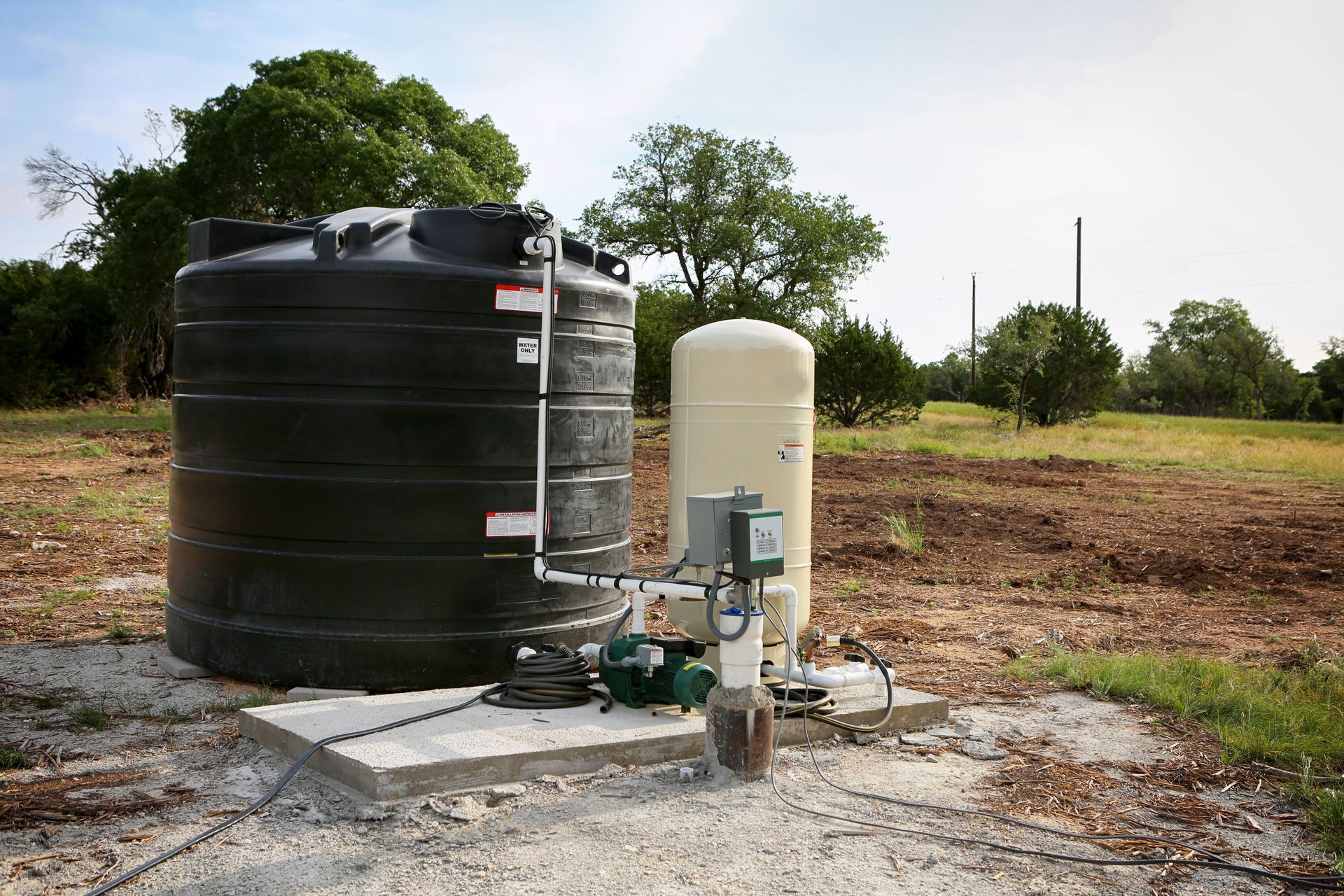
The vertical distance water travels to reach your home directly influences pump wear and motor requirements. Shallow systems typically utilize above-ground jet pumps or light-duty submersible pumps designed for minimal lift. In contrast, deep installations require heavy-duty submersible pumps suspended hundreds of feet below the surface. These units operate under tremendous hydrostatic pressure, pushing heavy water columns against gravity every time a fixture opens inside the house.
Heavier workloads cause internal pump seals, impellers, and bearings to degrade faster than those in shallow systems. Lifting water over significant vertical distances also draws higher electrical current, which places added strain on starting capacitors, pressure switches, and electrical wiring. During a standard maintenance visit, a qualified technician monitors motor amperage, inspects drop pipes for stress fractures, and measures electrical continuity. Routine testing confirms whether the pump operates within factory specifications or requires mechanical adjustment before an unexpected failure occurs. Operating at optimal electrical efficiency also lowers household utility expenses by preventing unnecessary power draw.
Analyzing Ground Mineralization and Water Quality
Well depth alters water chemistry due to the duration groundwater remains in contact with subterranean rock strata. Shallow aquifers collect surface runoff, rainwater, and local seepage, which increases the likelihood of bacterial contamination, sediment accumulation, and agricultural runoff. In contrast, deep aquifers yield water that has filtered through rock formations across decades or centuries, resulting in lower biological risks but significantly higher concentrations of dissolved minerals.
According to the United States Geological Survey, the median depth of a residential well in the U.S. is 142 feet, which places many systems directly within mineral-rich subterranean rock. Minerals such as calcium, magnesium, iron, and sulfur dissolve readily at these depths. When hard minerals pass through the system, they create severe calcification and scale along pump intakes, internal plumbing, and pressure tanks. Professional water testing and system flushes help locate these mineral deposits early, protecting your fixtures and preserving uninterrupted water production. Left unchecked, hard scale clogs delicate valves and reduces the flow capacity of primary intake channels.
Managing Structural Stress and Pipe Weight
The structural integrity of your casing and internal piping depends on the physical weight suspended inside the shaft. A deep installation holds hundreds of pounds of schedule-80 drop pipe, water weight, electrical wiring, torque arrestors, and heavy submersible equipment. Over time, rotational torque from the motor starting and stopping causes vibration that rubs against the outer steel or PVC casing.
Scheduled inspections identify physical stress points that develop along the column. Technicians evaluate several physical components during structural evaluations:
- Torque arrestors designed to keep the drop pipe centered and prevent casing abrasion
- Check valves installed along the vertical pipe to relieve head pressure and stop backspin
- Pitless adapters and surface seals that guard against surface runoff entering the borehole
- Electrical wire guides that stop insulation from chafing against jagged rock walls
- Safety cables fastened along the length of the column to secure heavy downhole equipment
Failing to inspect these mechanical supports can result in sheared pipe fittings or dropped pump assemblies. Pulling hundreds of feet of fractured pipe from a damaged borehole requires specialized hoisting trucks and substantial labor. Professional well maintenance confirms each joint and support structure remains tight, aligned, and capable of holding suspended loads securely.
Reviewing Sediment Intrusion and Filtration Challenges
Aquifers located at different depths present unique sediment profiles that affect filtration schedules. Shallow systems often encounter sand, organic debris, and clay particles stirred up by heavy seasonal rainfall. Deep wells, especially those drilled into fractured granite, limestone, or shale, produce sharp mineral grit, bedrock tailings, and colloidal silt.
Sediment infiltration acts like liquid sandpaper inside mechanical assemblies. Pumping abrasive particles erodes internal pump impellers, clogs intake screens, and ruins check valve seats. A routine water well service visit includes cleaning downhole screens, flushing sediment traps, and inspecting surface cartridge or backwashing filtration systems. Removing particulate matter protects mechanical parts and prevents pressure loss throughout your household lines. Proper filtration also keeps household water appliances running without internal grit restricting internal lines.
Monitoring Water Tables and Aquifer Drawdown
Seasonal weather patterns, local commercial drilling, and prolonged drought alter groundwater levels across all aquifers. Shallow wells show rapid fluctuations after dry periods, causing pumps to suck air and burn out motors quickly. Deep wells offer greater drought resilience, but they are not entirely immune to steady aquifer drawdown.
Evaluating recovery rates and drawdown levels requires specialized diagnostic equipment. Professional technicians utilize acoustic sounders or electric water-level meters to determine static water levels and active pumping water levels. Tracking these metrics year over year clarifies whether regional groundwater decline is affecting your supply. If the water table drops close to your pump depth, technicians can lower the pump assembly or adjust cycle controls to prevent dry-running conditions.
Balancing Service Frequencies for Different Depths
Because operating pressures, chemical exposures, and mechanical loads vary by depth, scheduled maintenance routines must reflect your specific installation profile. The following operational factors explain how depth directs the frequency and nature of professional water well service:
- Electrical draw and continuous running load: Deep pump motors operate at higher horsepower levels, requiring biannual or annual electrical checks to confirm starting capacitors, control boxes, and thermal protectors function without overheating.
- Hydrostatic head pressure and check valve wear: Installations exceeding 200 feet place immense downward pressure on check valves, demanding regular inspection to prevent water hammer and reverse rotation.
- Seasonal water table shifts: Shallow systems require frequent biological sampling and water table monitoring, particularly after spring thaws or heavy regional downpours.
- Scale accumulation and mechanical restriction: Deep systems with hard mineral profiles benefit from scheduled chemical flushes and casing cleanouts every three to five years to keep intake perforations clear.
- Surface seal integrity and casing protection: Shallow shafts require regular physical checks around the upper sanitary well cap to stop surface water infiltration, insects, and soil runoff from entering the potable supply.
Reviewing these variables with a professional water well service provider keeps your maintenance plan targeted and cost-effective.
Protecting System Lifespans Through Proactive Care
Deep groundwater installations represent a major property investment that requires continuous preventative care. Leaving equipment unserviced until faucets sputter or pressure tanks short-cycle results in costly emergency repairs and premature motor burnout. Downhole equipment operates in an unforgiving, subterranean environment where moisture, friction, and pressure never pause.
A comprehensive maintenance schedule incorporates flow-rate testing, water quality analysis, mechanical performance reviews, and sanitation checks. Regular professional attention also keeps surface control switches calibrated, stopping motors from cycling on and off excessively during peak household water usage. Skilled technicians identify minor irregularities, such as a drop in operating pressure or an elevated amp draw, before they lead to catastrophic equipment failure. Partnering with a dedicated service company gives you confidence that your water supply remains dependable, safe, and efficient year after year.
Maintaining the efficiency and reliability of your residential water supply starts with scheduling regular water well service from Stanley Mitchell Water Well Services.