November 4, 2026
Private water wells provide homeowners with access to groundwater for drinking, cooking, bathing, and other household activities. Unlike homes connected to municipal water systems, properties with private wells are generally responsible for monitoring their own water quality and maintaining their equipment. Understanding how a well works can help homeowners recognize potential problems and make informed decisions about their water supply. Proper planning, professional installation, and routine maintenance all contribute to dependable performance. Homeowners considering water well drilling should learn about local groundwater conditions, construction requirements, and the importance of testing their water regularly. These considerations can influence the long-term reliability of a private water system. With appropriate care, a well can serve a household for many years. Knowing what to expect makes it easier to protect both the water supply and the equipment that delivers it.
Understanding How Private Water Wells Work
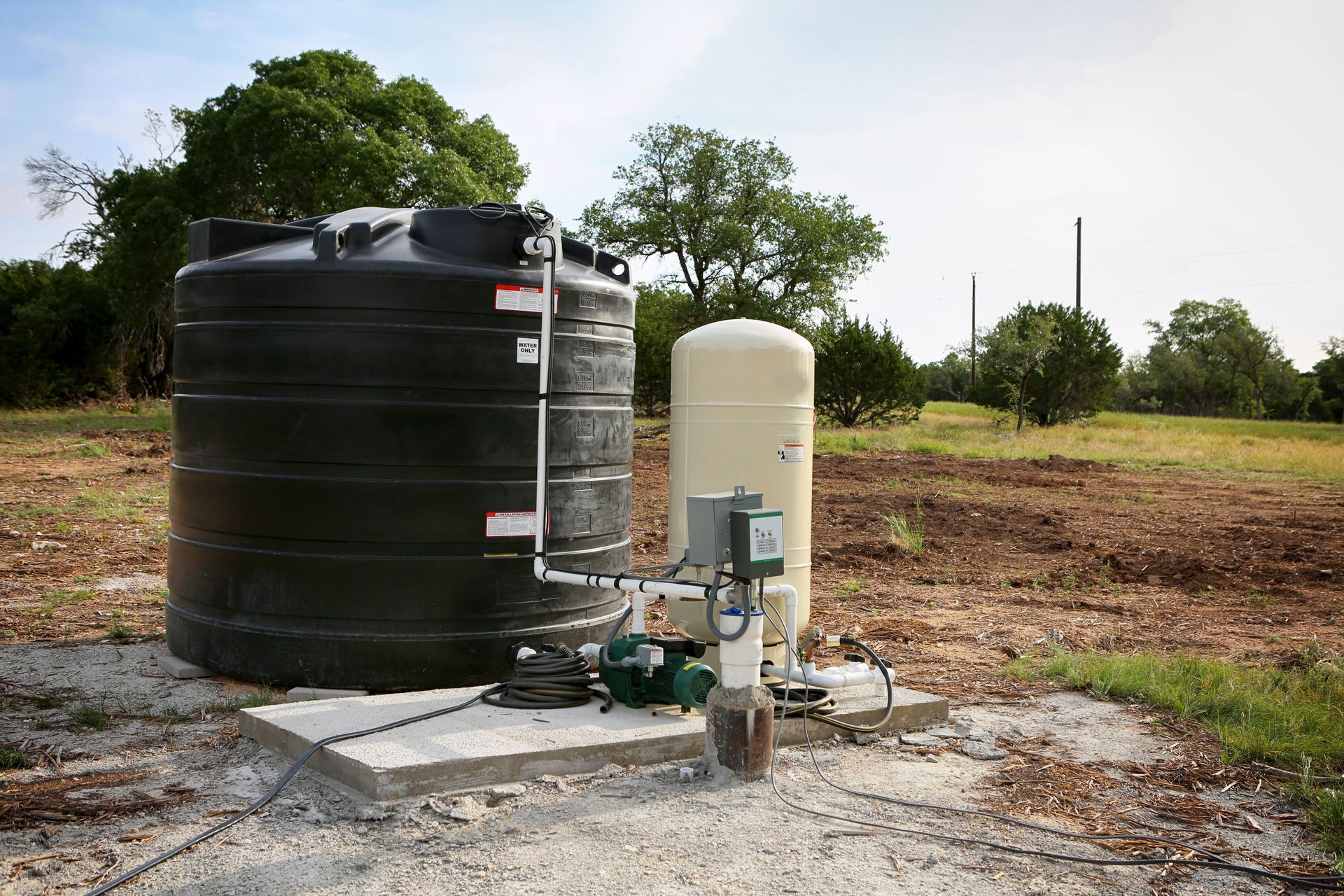
Private wells draw groundwater from underground formations called aquifers, where water collects within soil, sand, gravel, or fractured rock. A properly constructed well provides access to this water while helping prevent surface contaminants from entering the supply. Water typically travels through the well casing and into a pump system that delivers it to the home. The depth and construction of a well depend on local geology, groundwater availability, and the property's specific conditions. Professional water well drilling involves evaluating these factors before determining the appropriate installation approach. A well may require a submersible pump, pressure tank, and associated plumbing to maintain a consistent household supply. Understanding these components helps homeowners recognize when maintenance or repairs may be necessary. Familiarity with the system also makes it easier to discuss performance concerns with a qualified well service provider.
Evaluating Groundwater Conditions Before Installation
Groundwater conditions can vary significantly between neighboring properties, making site evaluation an important part of planning a private well. Soil composition, rock formations, groundwater depth, and nearby potential contamination sources may influence where a well should be located. Local well records can sometimes provide useful information about nearby construction depths and groundwater conditions. According to the U.S. Geological Survey, a data release published in January 2026 compiled 5,982,715 domestic-well records dating from 1680 through 2024, including information about well locations, construction, and water-use categories. These records help illustrate the extensive information available for understanding domestic wells across the country. Before water well drilling begins, homeowners should consult qualified professionals about local conditions and applicable regulations. Contractors can assess the site and explain what factors may affect the proposed installation. Careful preparation helps homeowners establish realistic expectations about well construction and performance.
Selecting an Appropriate Well Location
Choosing a suitable location helps protect groundwater quality and supports convenient access for future maintenance. Wells should be positioned according to applicable setback requirements for septic systems, fuel storage, livestock areas, and other potential contamination sources. Local regulations may specify minimum distances from buildings, property boundaries, drainage features, and other infrastructure. Homeowners should also consider whether service vehicles and maintenance personnel can reach the well safely. Experienced professionals providing water well drilling can evaluate site conditions and identify practical installation locations. The surrounding landscape matters because surface runoff should not collect around the wellhead or flow toward the casing. Proper grading and drainage help reduce the possibility of contaminated surface water entering the system. Planning the location carefully can make ongoing inspection, repairs, and maintenance more manageable.
Protecting Water Quality From Contamination
Groundwater may contain naturally occurring minerals, microorganisms, or chemicals, depending on the local geology and surrounding land uses. Contamination can also occur when septic systems malfunction, chemicals are improperly stored, or surface water enters through a damaged well cap or casing. Clear water does not necessarily indicate that the supply is safe to drink. Homeowners should arrange laboratory testing for bacteria, nitrates, and other contaminants recommended by local health authorities. Although professional water well drilling helps establish a properly constructed system, installation alone cannot guarantee that groundwater will remain free of contaminants. A sanitary well cap, intact casing, and suitable drainage can help protect the water source from outside pollutants. Homeowners should also keep hazardous chemicals and waste away from the well area. These precautions, combined with regular testing, help support a safer household water supply.
Testing Water Quality on a Regular Schedule
Routine testing is one of the most important responsibilities associated with owning a private well. Homeowners should generally test for total coliform bacteria and nitrates at least annually, while local conditions may warrant additional testing for other substances. Changes in taste, odor, color, or appearance should prompt investigation rather than being dismissed as harmless. Testing is also advisable after flooding, well repairs, or other events that could introduce contamination. When arranging water well drilling, homeowners can ask their contractor or local health department about recommended testing procedures for the area. Samples should be collected according to the laboratory's instructions to avoid inaccurate results. If testing identifies a problem, qualified professionals can help determine the source and explain appropriate corrective measures. Keeping dated test results creates a useful record for tracking changes in water quality over time.
Maintaining Pumps and Well Components
A private well depends on several connected components working together to provide reliable water pressure and flow. The pump moves groundwater into the plumbing system, while the pressure tank helps regulate delivery and reduce frequent pump cycling. Electrical controls, pipes, pressure switches, and other fittings may also require inspection or repair as the system ages. Homeowners should pay attention to warning signs such as unusual pump noises, fluctuating pressure, or unexpected changes in water availability. Properly completed water well drilling establishes the foundation of the system, but routine maintenance remains necessary throughout its service life. Professional inspections can identify worn components before they cause more disruptive failures. Homeowners should keep the wellhead accessible and avoid damaging exposed pipes or electrical equipment. Timely maintenance can help preserve system performance and reduce the likelihood of unexpected service interruptions.
Preparing for Repairs and Unexpected Problems
Even a well-maintained system may eventually experience mechanical problems, groundwater changes, or water-quality concerns. A sudden loss of pressure could indicate a pump issue, a leak, an electrical fault, or another condition that requires investigation. Unusual water appearance or suspected contamination should be treated separately from ordinary equipment problems because the supply may need testing before it is used for drinking. Homeowners should know where the system's electrical disconnect is located and keep relevant installation and maintenance records available. Before undertaking water well drilling or major repairs, property owners should confirm local permitting requirements and use qualified professionals. If a well is damaged by flooding or severe weather, it may need inspection, disinfection, and water testing before normal use resumes. Prompt attention can prevent minor concerns from becoming larger problems. Keeping contact information for a reliable well service provider can make it easier to respond when assistance is needed.
Planning for Long-Term Well Reliability
Long-term well performance depends on sound construction, appropriate maintenance, and consistent attention to water quality. Homeowners should retain available well records, including installation details, pump information, inspection reports, and laboratory results. These documents can help service professionals diagnose problems and guide future maintenance decisions. Property owners should also understand the household's typical water demand and watch for changes in supply that could indicate a developing issue. Professional water well drilling should account for the property's groundwater conditions and expected needs rather than relying on a one-size-fits-all approach. Local regulations and groundwater conditions may change, so homeowners should remain informed about relevant recommendations from health departments and water resource agencies. Periodic inspections and scheduled testing provide opportunities to identify concerns early. A proactive approach helps homeowners protect their investment while maintaining a dependable source of household water.
Private wells can provide a valuable water source, but their reliability depends on responsible ownership and ongoing care. Understanding well construction, protecting the surrounding area, testing water regularly, and maintaining mechanical components all contribute to a healthier and more dependable system. Contact Stanley Mitchell Water Well Services to discuss your property's water supply needs and learn how professional well services can support reliable access to groundwater and long-term system performance.